


How to Create a Relaxing and Productive Home Workspace
Creating a home workspace that is both relaxing and productive can significantly enhance your work-from-home experience. Whether you’re freelancing, running a business, or simply need a designated area for tasks, a well-designed workspace helps you stay focused and reduce stress. Here are some useful tips to help you craft a workspace that supports your work and wellbeing.
Choose the Right Location
Selecting the best spot in your home for a workspace is the first step. Ideally, it should be a space with good natural light and minimal distractions. If possible, pick a quiet corner or separate room where you can concentrate without interruptions.
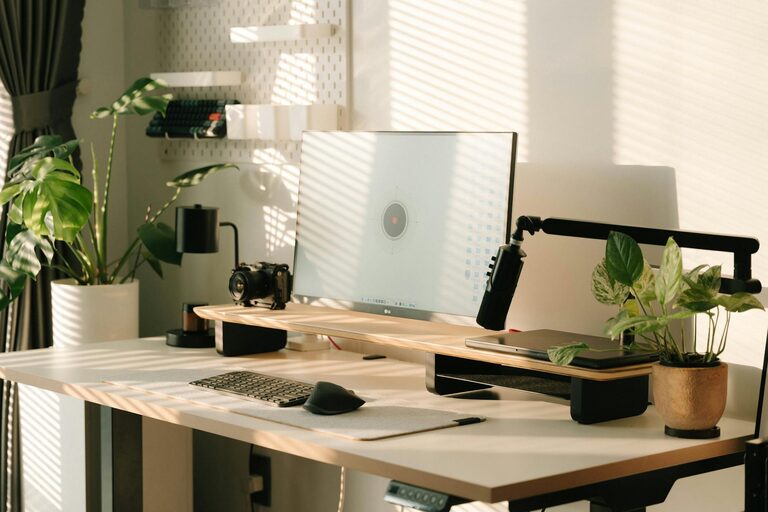
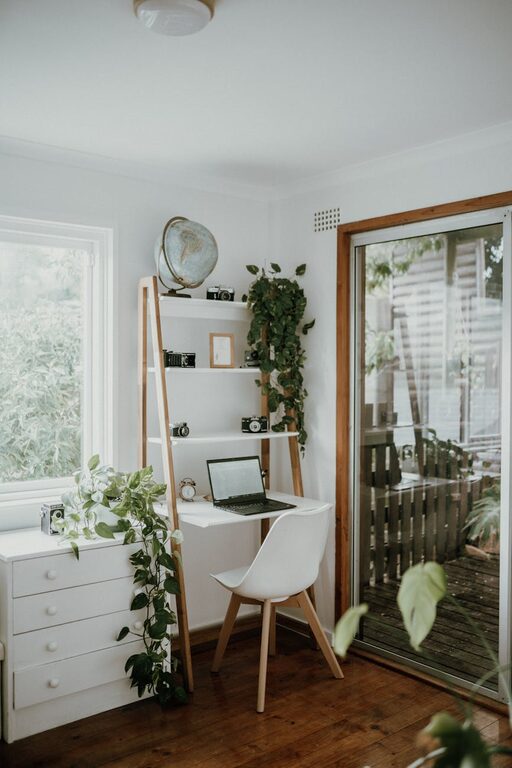
– Natural Light: Try to place your desk near a window. Natural daylight improves mood and energy.
– Avoid High-Traffic Areas: Steer clear of spots near noisy household activities.
– Consider Privacy: Being able to close a door or partition your workspace can help create boundaries between work and home life.
Invest in Comfortable and Functional Furniture
Your furniture plays a significant role in both productivity and comfort.
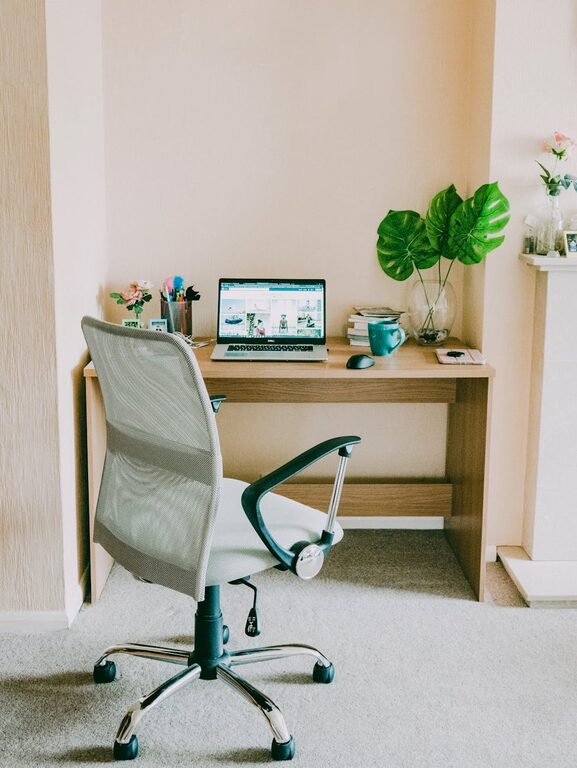
– Ergonomic Chair: Choose a chair that supports your back and encourages good posture, reducing the risk of discomfort or pain.
– Desk Height: Select a desk that suits your height and allows your arms to rest comfortably while typing.
– Adequate Surface Space: Ensure your desk has enough room for essential items like a laptop, notebook, or other tools.
Organise with Purpose
Clutter can be distracting and stressful. An organised workspace promotes calmness and helps you focus.
– Use Storage Solutions: Boxes, shelves, and drawers keep supplies tidy and within reach.
– Cable Management: Keep wires neat using clips or cable organisers.
– Minimalist Approach: Only keep items you frequently use on your desk to avoid overwhelming your space.
Bring in Elements of Nature
Adding natural elements can create a soothing atmosphere.
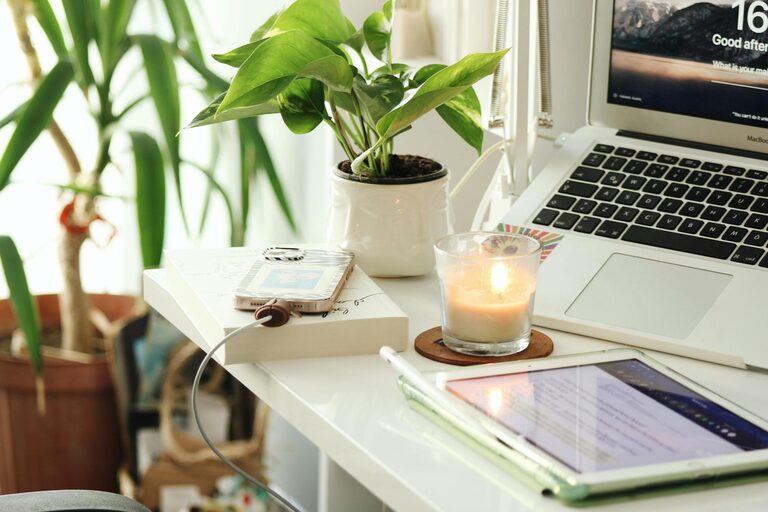
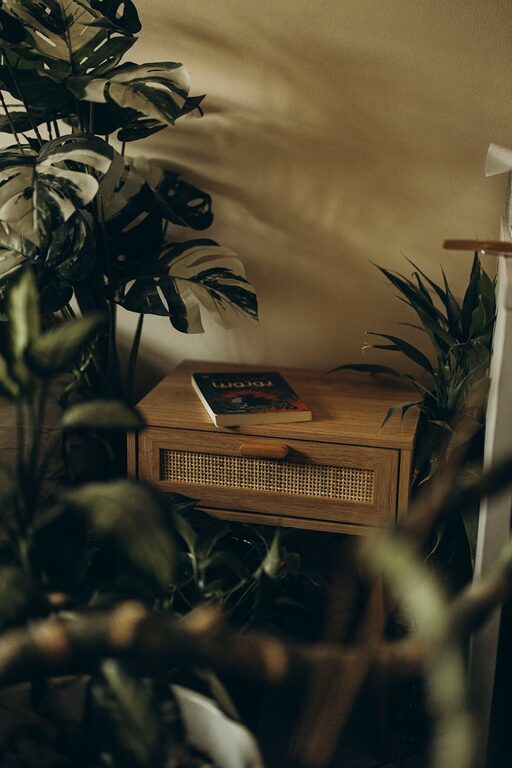
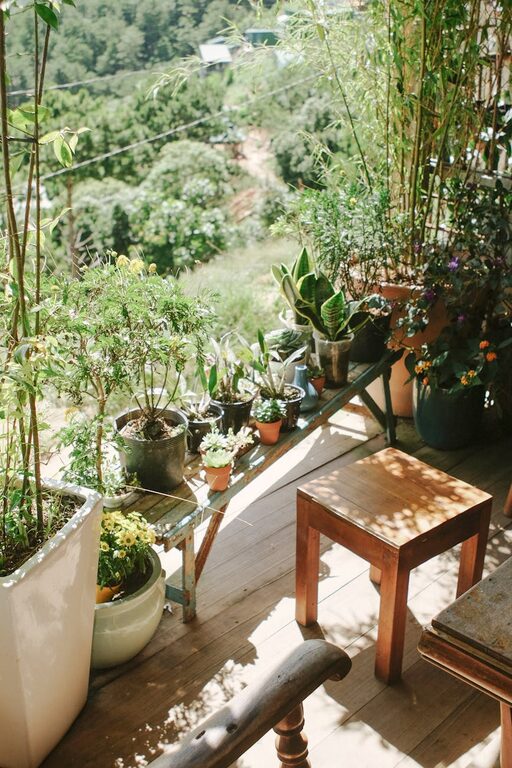
– Plants: Indoor plants purify the air and add colour. Choose low-maintenance varieties if you’re new to gardening.
– Natural Materials: Incorporate wooden or stone accessories to make the space feel warm.
– Natural Scents: Consider subtle essential oils or candles (if allowed) to create a calming environment.
Control Lighting and Noise
Proper lighting and noise levels affect your concentration and comfort.
– Adjustable Lighting: Use a combination of natural light, ceiling lights, and desk lamps. Adjustable brightness reduces eye strain.
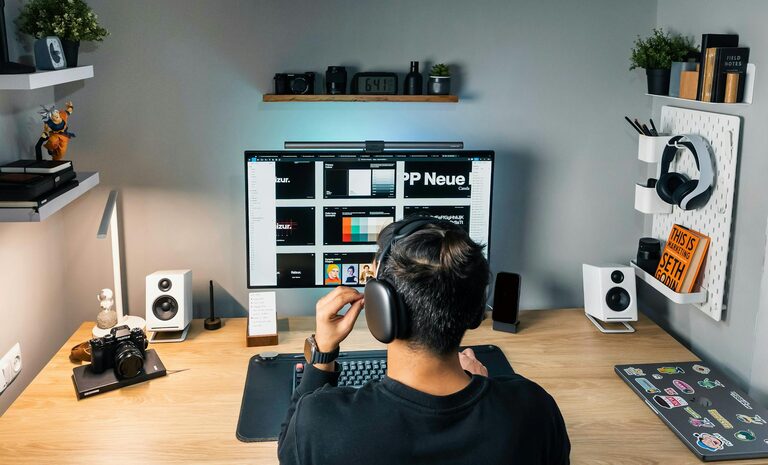
– Noise Reduction: Noise-cancelling headphones or soft background music can help if the environment is noisy.
– Window Treatments: Blinds or curtains help to control glare and sunlight intensity.
Personalise Your Space
Adding personal touches makes your workspace more inviting and boosts motivation.
– Artwork or Photos: Display images that inspire or relax you.
– Colour Choices: Soft, muted colours can promote calm, while bright colours might energise you. Choose shades that suit your preference.
– Inspirational Quotes: A favourite quote can encourage positivity and focus.
Schedule Breaks and Move Around
Design your workspace and routine to include physical activity.
– Stretching Zone: Allow space nearby for simple stretches to relieve tension.
– Take Regular Breaks: Use timers or apps to remind you to stand up and move around to keep energy levels up.
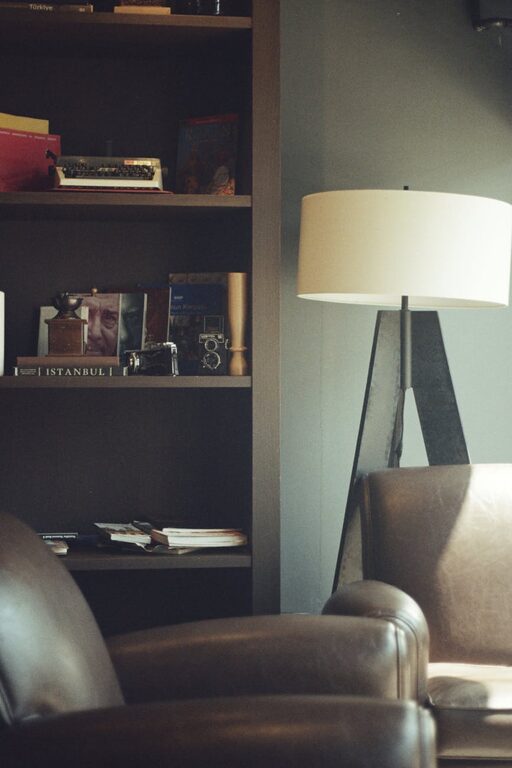
– Comfortable Seating Options: A small, cosy chair or cushion can provide an alternative spot for reading or brainstorming.
Optimise Technology Setup
Your technology setup should support efficient and enjoyable work.
– Reliable Internet: Ensure strong connectivity to avoid disruptions.
– Essential Peripherals: Invest in a good keyboard, mouse, and monitor to reduce strain.
– Backup Solutions: Use external drives or cloud storage to protect your work.
Maintain Work-Life Balance
Setting clear boundaries helps you separate work from relaxation.
– Define Work Hours: Stick to a schedule to prevent overworking.
– End-of-Day Routine: Clear your desk or close down your computer to signal the end of the workday.
– Avoid Working in Bed: Confine work to your designated workspace to improve rest quality.
—
By thoughtfully organising your home workspace with these tips, you can create an environment that encourages focus while keeping stress at bay. Remember, your workspace should serve both your professional and personal wellbeing—making it a comfortable place to thrive.