



Tips for Creating a Cosy and Inviting Home Workspace
Creating a home workspace that is both cosy and inviting can make a huge difference to your productivity and overall well-being. Whether you work from home full-time, study, or simply need a dedicated area for personal projects, having a space that feels comfortable and inspiring helps you stay motivated and focused.
In this blog post, we’ll share practical tips to help you design a home workspace that balances functionality and warmth.
Choose the Right Location
The first step to a cosy workspace is picking the right spot in your home. Here are some factors to consider:
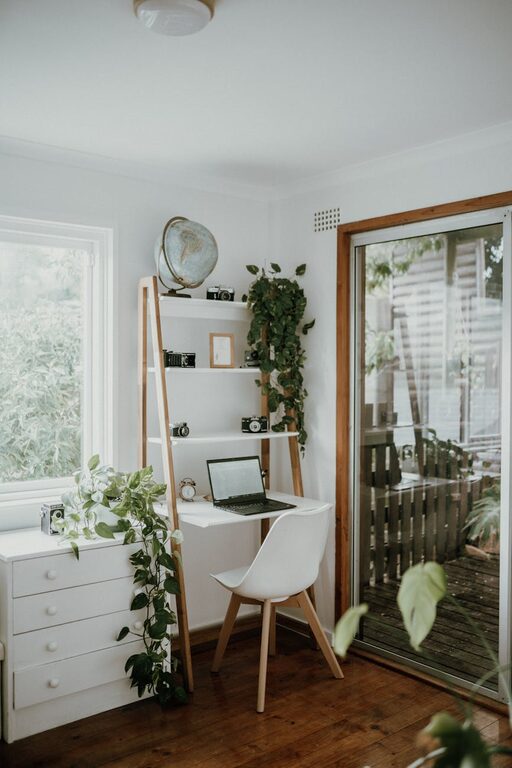
– Natural Light: Select a position near a window to make the most of natural light. This not only reduces eye strain but also lifts your mood.
– Quiet Area: Find a corner or room away from household noise and distractions.
– Sufficient Space: Ensure there’s enough room for your desk, chair, and storage, while still allowing you to move comfortably.
If space is limited, a nook or a corner in the living room or bedroom can become an effective workspace with the right setup.
Invest in Comfortable Seating
Comfort is key when it comes to productivity. A supportive chair with good backrest and adjustable height reduces the risk of discomfort and pain. Consider these points:
– Ergonomics: Look for chairs designed with ergonomics in mind to maintain healthy posture.
– Cushioning: Add a soft cushion or lumbar support for extra comfort.
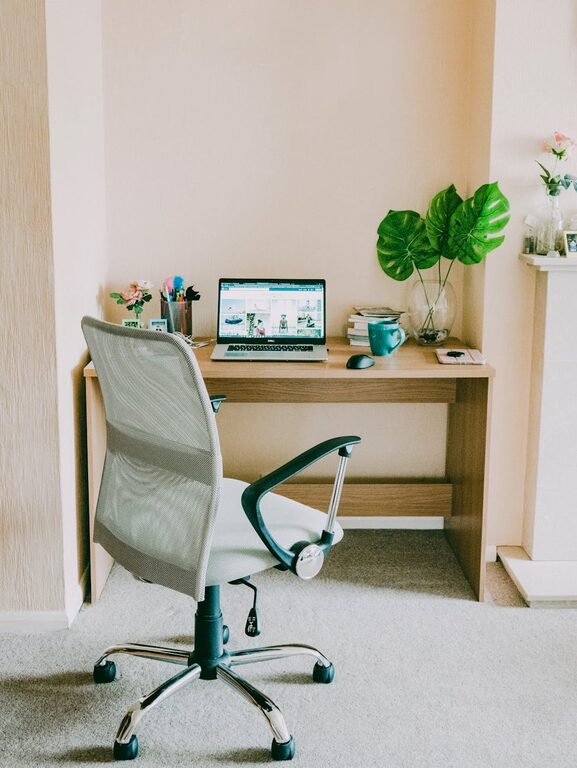
– Mobility: Chairs with wheels can make it easier to move around your workspace.
A comfortable chair encourages long periods of work without fatigue.
Organise Your Desk Efficiently
A clutter-free desk helps to keep your mind clear. Here’s how to organise your workspace efficiently:
– Clear Out Clutter: Remove items that aren’t used daily.
– Use Storage Solutions: Utilise drawer organisers, baskets, or shelves to keep supplies neat.
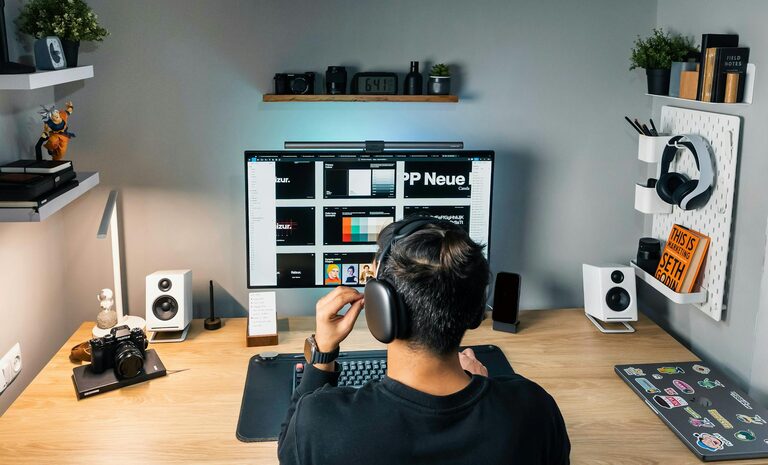
– Limit Desktop Items: Only keep essentials like your computer, a notepad, and pens within reach.
– Cable Management: Use clips or boxes to keep cables tidy and out of the way.
A well-organised desk minimises distractions and maximises efficiency.
Add Personal Touches
Injecting personality into your workspace makes it more inviting. Think about including:
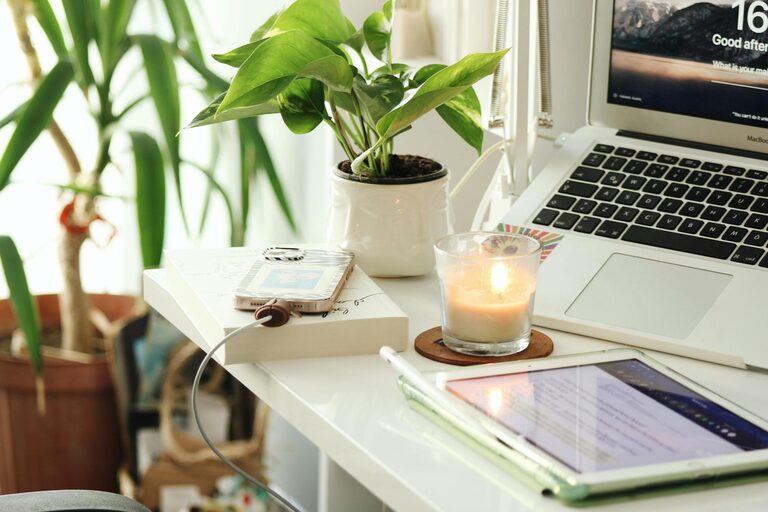
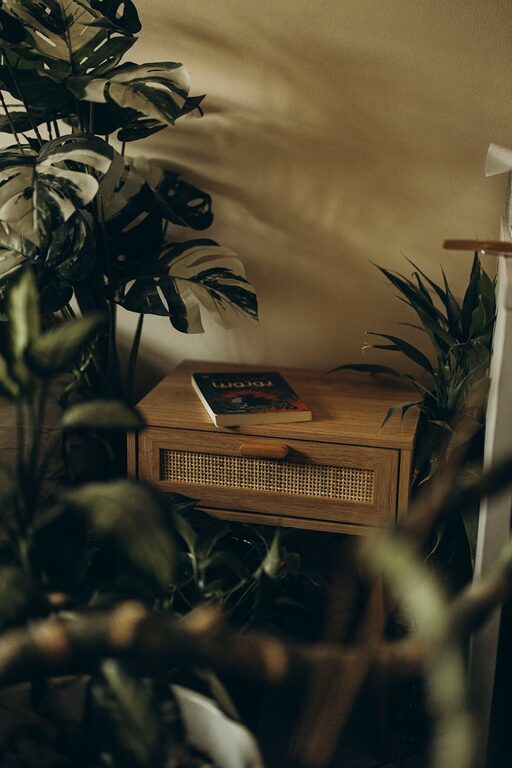
– Plants: Small indoor plants not only brighten up the space but also improve air quality.
– Artwork or Prints: Choose calming or inspiring images for your walls.
– Soft Textiles: Use cushions or throws to add warmth and texture.
– Personal Mementos: Photos, souvenirs, or meaningful objects can provide motivation and comfort.
These touches help create a space that feels uniquely yours.
Use Warm and Soothing Colours
Colour affects our mood and focus. For a cosy home workspace:
– Choose Soft Neutrals: Creams, beiges, and light greys create a calm atmosphere.
– Add Accents: Introduce muted blues, greens, or pastel shades which can enhance concentration.
– Avoid Harsh Colours: Bright reds or neon tones may be distracting or increase stress levels.
Consider painting a feature wall or adding colourful accessories to incorporate your chosen palette.
Ensure Good Lighting
Alongside natural light, proper artificial lighting is essential:
– Desk Lamps: Adjustable lamps provide focused task lighting.
– Warm Bulbs: Opt for warm white bulbs rather than cool white to create a welcoming feel.
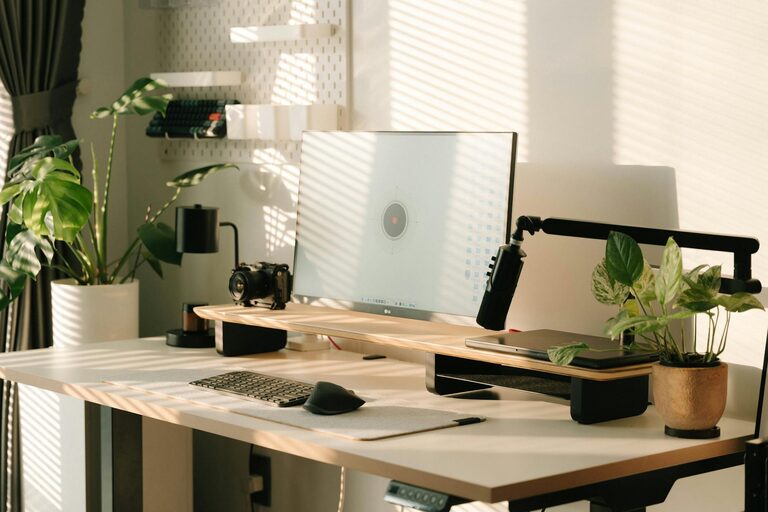
– Avoid Glare: Position monitors and lights to reduce reflections and eye strain.
Good lighting supports productivity and comfort, especially during darker months.
Incorporate Practical Elements
Comfort and aesthetics are important, but functionality should not be overlooked. Think about:
– Desk Size: Choose a desk that suits your needs and space.
– Technology Setup: Ensure your computer, printer, and other devices are ergonomically placed.
– Noise Control: Use rugs, curtains, or acoustic panels to absorb sound.
– Temperature Control: A small fan or heater can help keep the area at a comfortable temperature.
A practical workspace helps you maintain flow and reduces obstacles to work.
Create a Break Area
If your room allows, consider including a small space for short breaks:
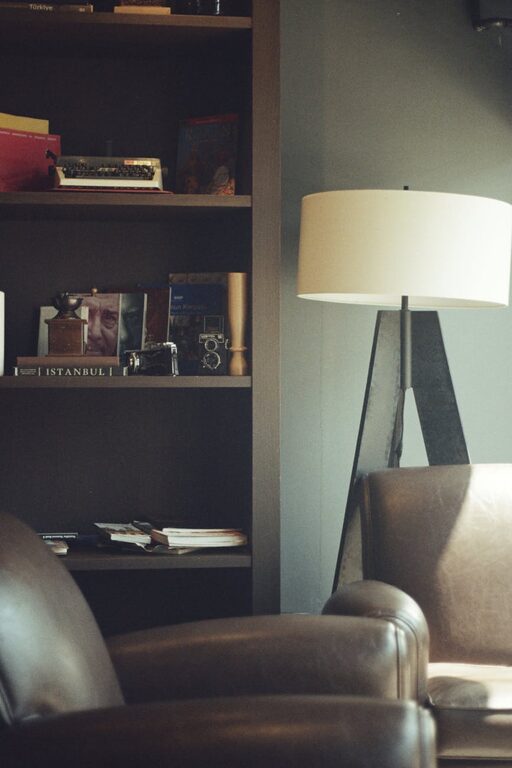
– Comfy Chair or Beanbag: Ideal for relaxation or reading.
– Mini Coffee Station: A small table with a kettle or coffee maker adds convenience.
– Inspirational Books or Magazines: For quick mental refreshers.
Taking mindful breaks supports both creativity and concentration.
Keep it Flexible
Your needs may change over time, so design your workspace to be adaptable:
– Modular Furniture: Tables or shelves that can be reconfigured.
– Portable Storage: Boxes or carts that move easily.
– Multi-Use Areas: Spaces that can switch from work to hobbies or other activities.
Flexibility allows your workspace to evolve as your work style changes.
—
Creating a cosy and inviting home workspace is about balancing comfort with practicality. By focusing on location, organisation, personal touches, and lighting, you can craft a space that makes working from home a pleasure rather than a chore. Remember, your home workspace should reflect your personality and support your work habits—take your time to make it truly your own.