
Simple Tips for Creating a Relaxing Home Environment
Creating a relaxing home environment is essential for our overall wellbeing. After a busy day, your home should feel like a sanctuary—a place where you can relax, recharge, and feel at ease. Fortunately, achieving that peaceful atmosphere doesn’t have to be complicated or expensive. With a few simple tweaks and mindful choices, you can transform your living space into a calm retreat.
In this post, we’ll explore practical tips to help you create a relaxing home environment that suits your personal style and lifestyle.
Understand What Makes a Space Relaxing
Before making changes, it’s helpful to consider what relaxation means to you. For some, it’s a minimalist space with clean lines and no clutter. For others, it might involve soft textures, natural light, or soothing colours. Identifying your preferences will guide your design and décor choices.
Generally, a relaxing environment features:
– Calm colours and tones
– Comfortable furniture
– Good lighting
– Minimal clutter
– Elements of nature
Declutter and Organise
One of the quickest ways to create a calmer space is to remove clutter. A chaotic environment can increase stress and distract from relaxation.
Steps to Declutter Effectively
– Start small: Tackle one room, cupboard, or even a drawer at a time.
– Sort items: Create piles for things to keep, donate, or recycle.
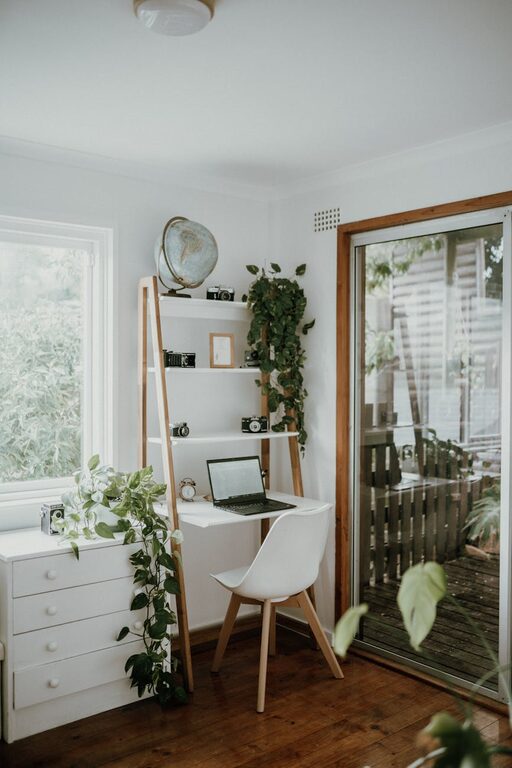
– Organise storage: Use boxes, baskets, or shelves to keep items tidy.
– Maintain habit: Spend 5–10 minutes daily clearing things away.
A tidy, organised home allows your mind to rest better and helps maintain a sense of order.
Choose Soothing Colours
Colours have a big impact on mood. For a relaxing home, opt for softer, muted colours rather than bright, intense hues.
Recommended Colours for Relaxation
– Soft blues and greens: These shades remind us of nature and water, promoting calm.
– Neutral tones: Beige, cream, and taupe create a warm and peaceful backdrop.
– Pastels: Gentle pastel colours add a subtle touch of colour without overwhelming.
Avoid bold reds or neon shades in rooms meant for relaxation, as they can stimulate the mind instead.
Improve Your Lighting
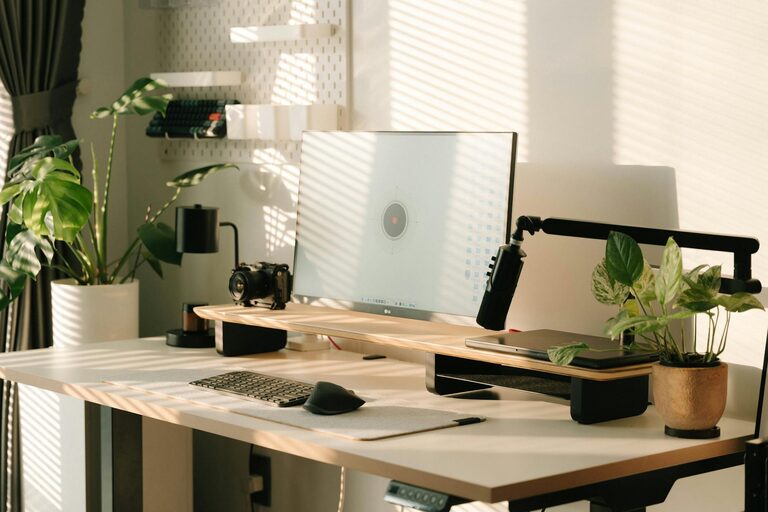
Natural light is one of the best mood boosters. Try to maximise sunlight by keeping windows clean and using light curtains.
Lighting Tips for Relaxation
– Use multiple light sources: Combine overhead, task, and accent lighting.
– Soft bulbs: Choose warm LED bulbs rather than harsh white lights.
– Dimmer switches: These let you adjust brightness to suit your mood.
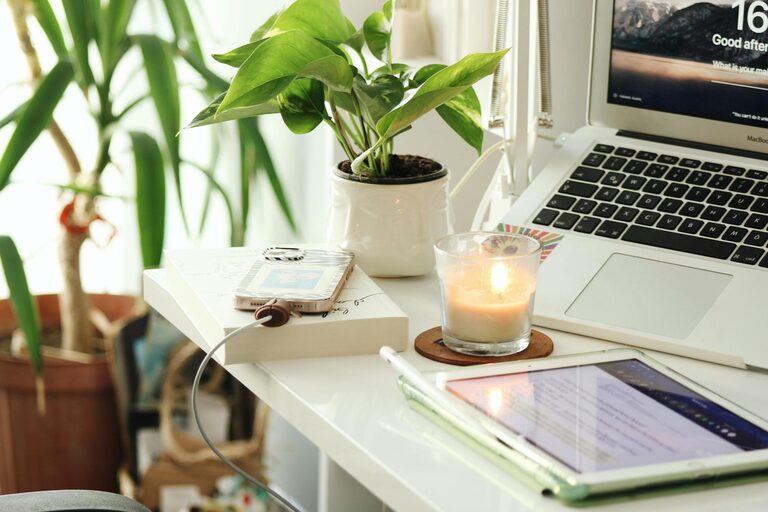
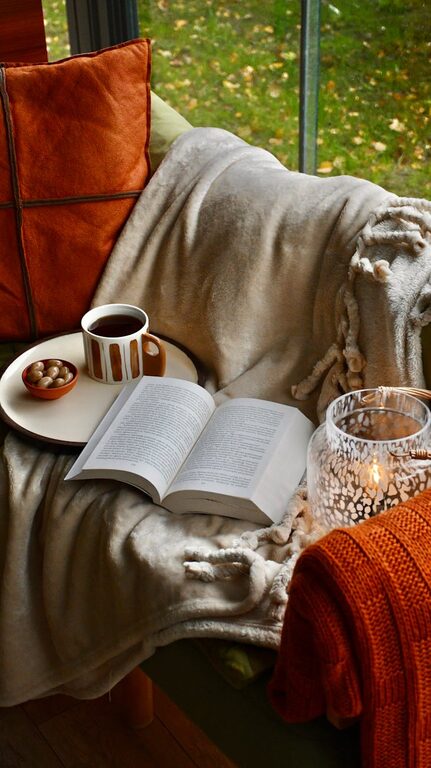
– Candles: Adding candles can bring a cosy and calming glow.
Lighting that can be tailored to your needs helps create a comforting atmosphere.
Incorporate Natural Elements
Bringing nature indoors has been shown to reduce stress and improve wellbeing.
Easy Ways to Add Nature to Your Home
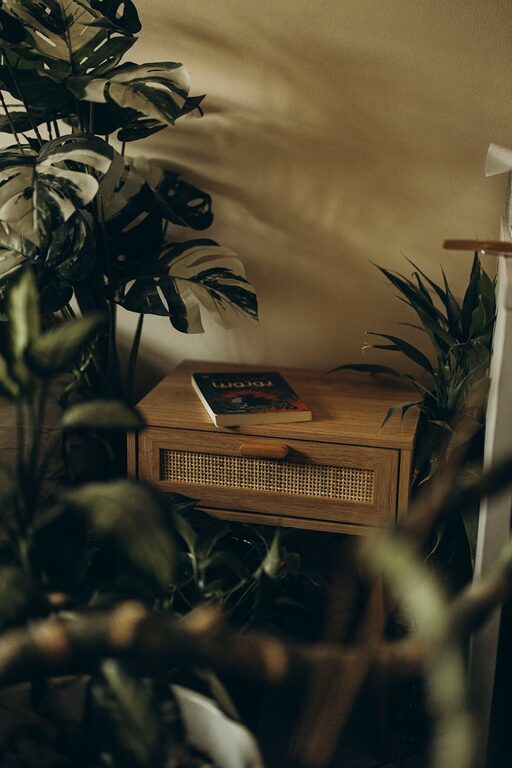
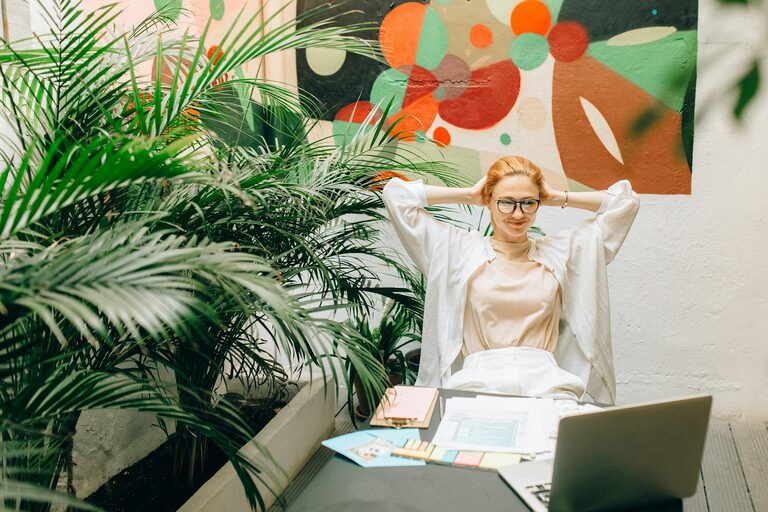
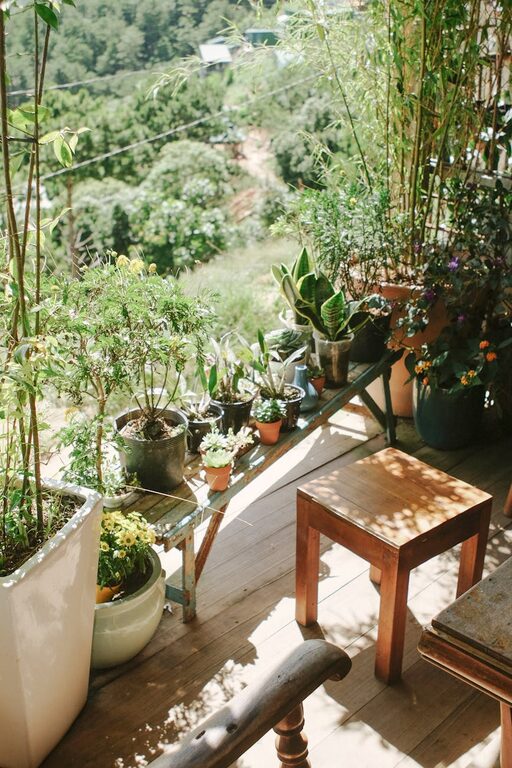
– Houseplants: They filter air and add life to your room. Some easy-care options include spider plants, snake plants, and peace lilies.
– Natural materials: Use wooden furniture, cotton or linen fabrics, and stone accessories.
– Nature-inspired artwork: Pictures of landscapes, plants, or animals can be calming to view.
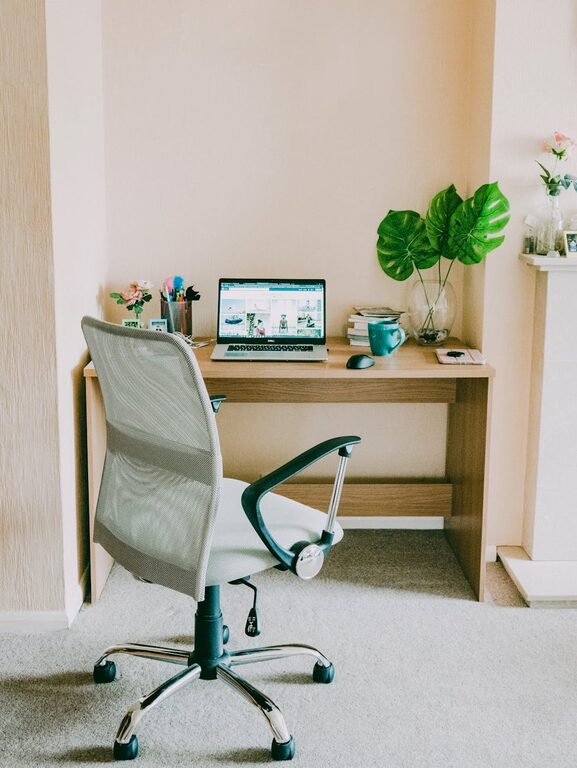
Even a small plant by your desk or a wooden bowl on the table can make a big difference.
Create Comfortable Spaces
Your furniture and layout should invite you to relax. Comfort is key.
Tips for a Comfortable Home
– Choose soft cushions, throws, and rugs for added coziness.
– Arrange seating so you can easily chat or enjoy the view outside.
– Avoid overcrowding rooms with too much furniture. Leave space to move freely.
– Make sure your mattress and pillows support a good night’s sleep.
Think about your daily routines and arrange your home to support restful moments.
Minimise Noise and Distractions
A quiet environment promotes calm and focus.
How to Reduce Noise
– Use heavy curtains or blinds to block outside noise.
– Add rugs or carpets to absorb sound.
– Consider soft background music or white noise machines to mask disturbances.
– Keep TVs or devices off in relaxation areas.
Quiet, peaceful spaces help your mind slow down and enjoy calm.
Personalise Your Space Mindfully
While minimalism can help reduce stress, your home should still reflect you.
How to Add Personality Without Clutter
– Select a few meaningful items to display, like photos or souvenirs.
– Use scented candles or essential oils with relaxing aromas such as lavender or chamomile.
– Designate a reading nook or meditation corner.
– Incorporate hobbies in your décor, like art supplies or comfortable yoga mats.
Balancing personal touches with simplicity creates a space that feels both comfortable and serene.
Establish Relaxation Rituals at Home
Finally, creating a relaxing home environment is also about how you use it.
Ideas for Relaxation Rituals
– Spend time daily in your calm zone, whether reading, meditating, or listening to music.
– Maintain routines to help your mind and body switch off from work or worries.
– Keep devices away during relaxation times to reduce distractions.
– Invite family or friends for calm, enjoyable activities.
Making relaxation a habit reinforces the soothing atmosphere you’ve created.
—
By incorporating these simple tips into your home, you can build a peaceful environment that supports your wellbeing and offers a refuge from everyday stresses. Start with small changes, and enjoy the benefits of living in a home that truly helps you relax.