




Tips for Creating a Productive Home Office Environment
Working from home has become increasingly common, and having a productive home office environment is key to maintaining focus and efficiency. Whether you are new to remote work or looking to improve your current setup, these tips will help you create a workspace that promotes productivity while keeping you comfortable.
1. Choose the Right Location
Selecting an appropriate spot for your home office is the first step towards productivity.
– Quiet Area: Ideally, pick a space away from household noise and distractions. A quiet corner or spare room can work well.
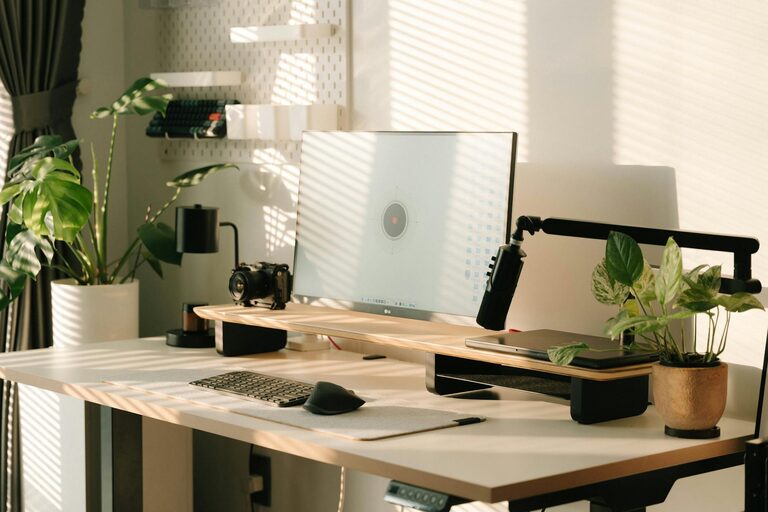
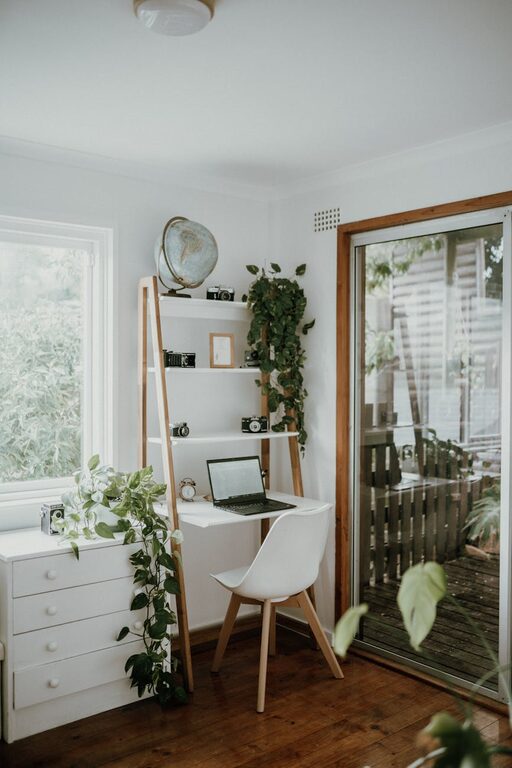
– Natural Light: Position your desk near a window if possible. Natural light boosts mood and energy levels.
– Accessible but Separate: Ensure the space is easy to reach yet distinct from living areas to mentally separate work from relaxation.
2. Invest in Ergonomic Furniture
Your furniture plays a significant role in productivity and comfort.
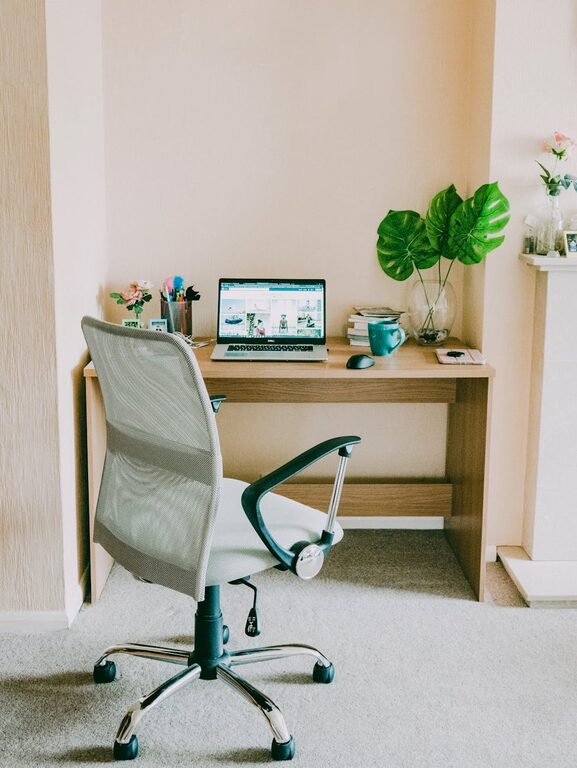
– Comfortable Chair: Choose an ergonomic chair that supports your back and encourages good posture.
– Suitable Desk: Use a desk at the right height, allowing your arms to rest comfortably when typing.
– Adjustable Options: Consider sit-stand desks or monitor stands to vary your posture throughout the day.
3. Organise Your Workspace Effectively
An organised desk reduces stress and improves focus.
– Declutter Regularly: Remove unnecessary items and keep only what you need daily.
– Storage Solutions: Use shelves, drawers and organisers to keep supplies neatly stored.
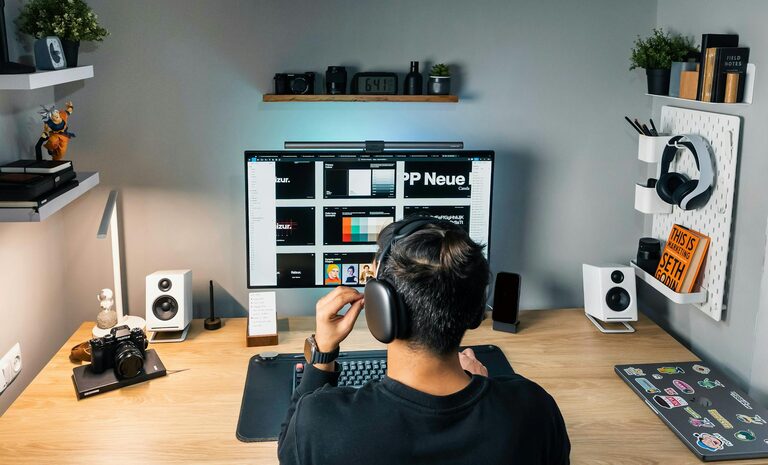
– Cable Management: Tidy up cables with clips or sleeves to prevent tangles and make your desk look clean.
4. Minimise Distractions
Creating boundaries helps maintain concentration during work hours.
– Set Boundaries: Communicate your working hours to family or housemates to reduce interruptions.
– Noise Control: Use noise-cancelling headphones or white noise machines if background sounds are unavoidable.
– Limit Phone and Social Media Use: Keep your phone on silent or in another room unless required for work.
5. Ensure Proper Lighting
Good lighting reduces eye strain and keeps you alert.
– Balanced Lighting: Combine natural and artificial light for even illumination.
– Desk Lamp: Use a lamp with adjustable brightness to light your work area during darker hours.
– Avoid Glare: Position screens to minimise reflections from windows and lights.
6. Personalise Your Space
Adding personal touches can make your workspace inviting and boost motivation.
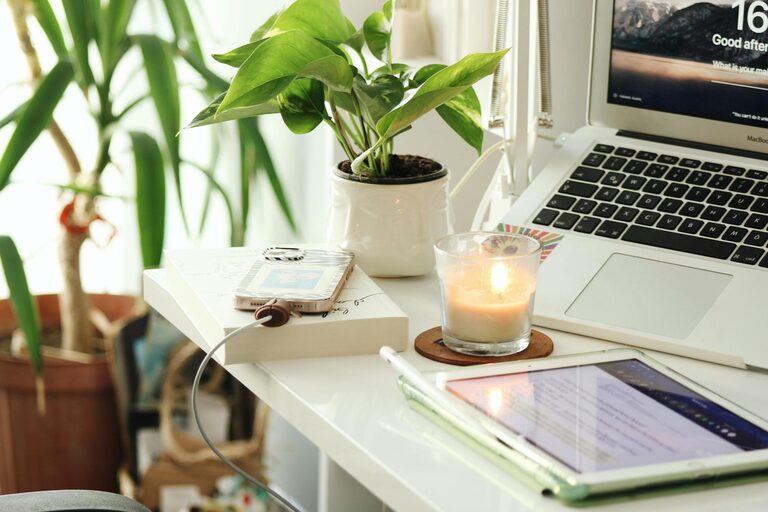
– Plants: Indoor plants improve air quality and add a calming presence.
– Artwork: Hang pictures or prints that inspire creativity.
– Comfort Items: Use cushions, a cosy rug or a favourite mug to make your environment pleasant.
7. Prioritise Technology and Connectivity
Reliability of your tech setup is vital for uninterrupted work.
– Fast Internet: Ensure your connection is stable and fast enough for video calls and file sharing.
– Quality Equipment: Invest in a good computer, webcam, keyboard, and mouse for efficient work.
– Backup Power: Consider a surge protector or UPS to protect devices during outages.
8. Maintain a Routine and Breaks
Structure and regular breaks keep productivity sustained over time.
– Consistent Start Time: Begin your workday at the same time each day to build routine.
– Scheduled Breaks: Take short breaks every hour to stretch and rest your eyes.
– End-of-Day Ritual: Have a clear signal to finish work to maintain work-life balance.
9. Keep Air Quality and Temperature Comfortable
Physical comfort influences how well you concentrate.
– Ventilation: Open windows when possible or use an air purifier.
– Temperature Control: Use a fan, heater or thermostat to keep the room at a comfortable temperature.
– Hydration: Keep water handy to stay hydrated and alert.
10. Continuously Adapt and Improve
A productive workspace is not static. Adjust your setup as needed.
– Regular Reviews: Assess what works well and what needs changing every few months.
– Seek Feedback: If you share your home office, involve others in suggestions.
– Stay Open to New Ideas: Try different layouts or tools to enhance your productivity.
—
Creating a productive home office environment takes thought and effort, but the benefits are well worth it. By choosing the right location, investing in comfortable furniture, organising effectively and maintaining clear routines, your home workspace can become a place where you work efficiently and feel good doing it. Remember to personalise your space, manage distractions and take care of your physical comfort for long-lasting productivity.